Defence Policy
Who Is Watching Ireland’s Skies?
Another drone. Another visual sighting. IDFVN examines the gaps in Ireland’s air picture and the difference between counter-drone protection and national military radar coverage.
Veterans’ affairs, pensions, defence policy, service, history and community, gathered in one searchable place.
Another drone. Another visual sighting. IDFVN examines the gaps in Ireland’s air picture and the difference between counter-drone protection and national military radar coverage.
The refugees of Kashia and the Irish soldiers who fed, reassured and patrolled among them: an IDFVN account drawn from the 1st Infantry Group’s Congo unit history of 1961.
R. McAney examines the defence debate through the everyday concerns of personnel: pay, pensions, accommodation, contracts and the conditions that persuade experienced people to stay.
Irish Military Police and Congolese policemen patrol together in Goma. This instalment of the 32nd Infantry Battalion series recalls peacekeeping built through daily contact and trust.
An IDFVN commentary connecting staffing pressures across defence and frontline public services, with a focus on retention, pensions and abatement.
The 32nd Infantry Battalion’s advance party arrives in Goma amid armed troops, seized stores and deep suspicion. The unit history records a tense early test of judgement and restraint.
From the Curragh and a parade through Dublin to the airlift from Baldonnel, this opening instalment follows the hurried formation and deployment of Ireland’s first UN battalion in 1960.
IDFVN examines the relationship between Naval Service staffing, maritime surveillance and the wider cost of protecting an island nation against international organised crime.
Bethlehem, a desert swim and duty on the ceasefire line: the concluding 25th Infantry Group story recalls Christmas 1973 and the soldiers who remained on watch far from home.
Remembering the crew of Rescue 111, R. McAney asks how lessons from aviation tragedies remain part of institutional memory and inform later equipment and operational decisions.

Ireland may have around 140,000 former Defence Forces members, yet the State still has no legal definition of a veteran or fully coordinated national system of support.
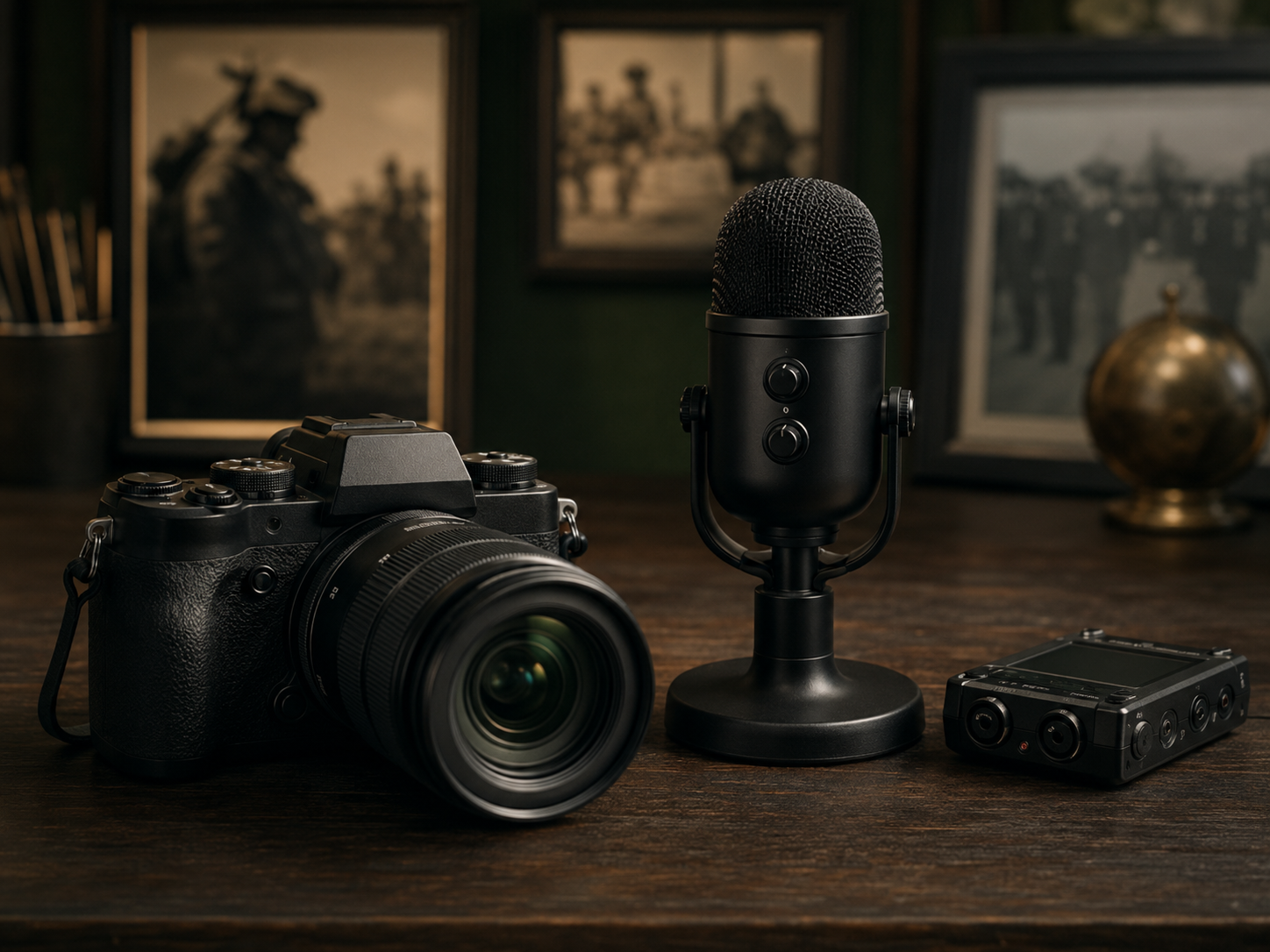
The first episode in the IDFVN Podcast Series brings the Defence Forces emergency debate into a direct media format for veterans, serving personnel and families.
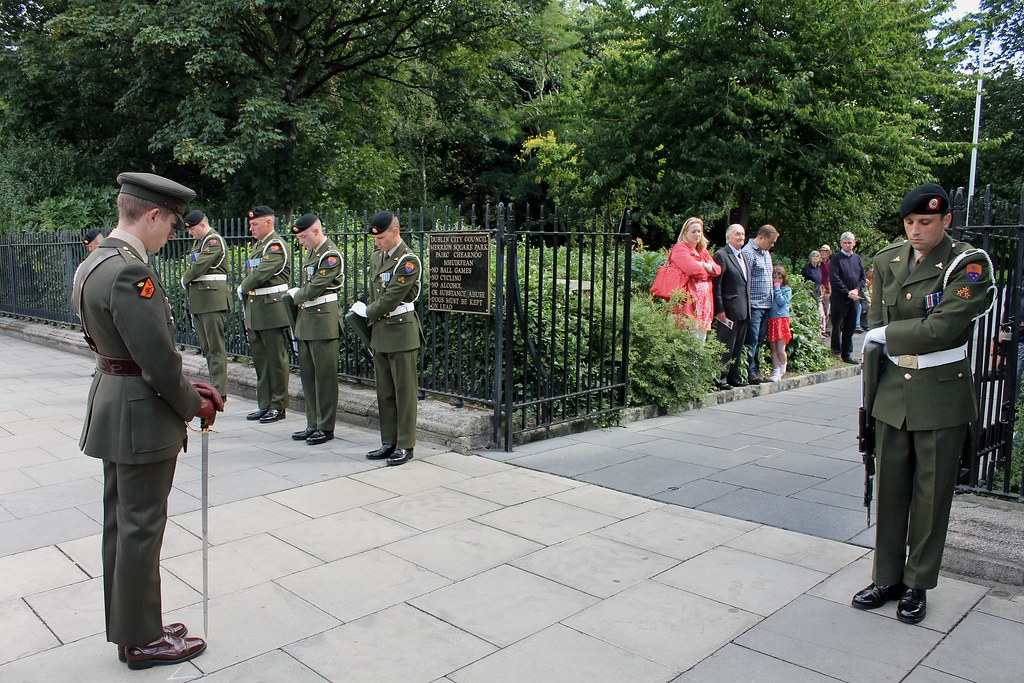
A legal and public-interest IDFVN look at the new Defence Act powers, ATCP duties, proportional force and the safeguards needed when military personnel deal with civilians.
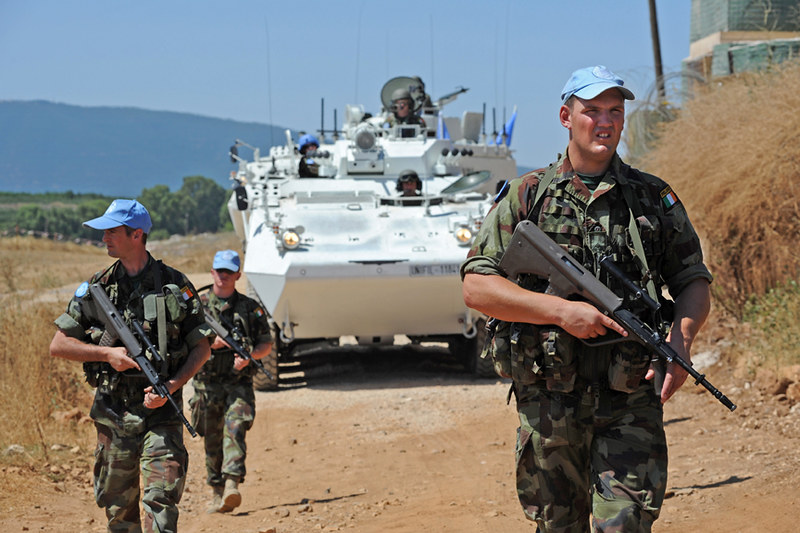
Part of the IDFVN series on the 25th Infantry Group, drawing on unit history to follow the story, route and experience of Irish peacekeepers in Cyprus.
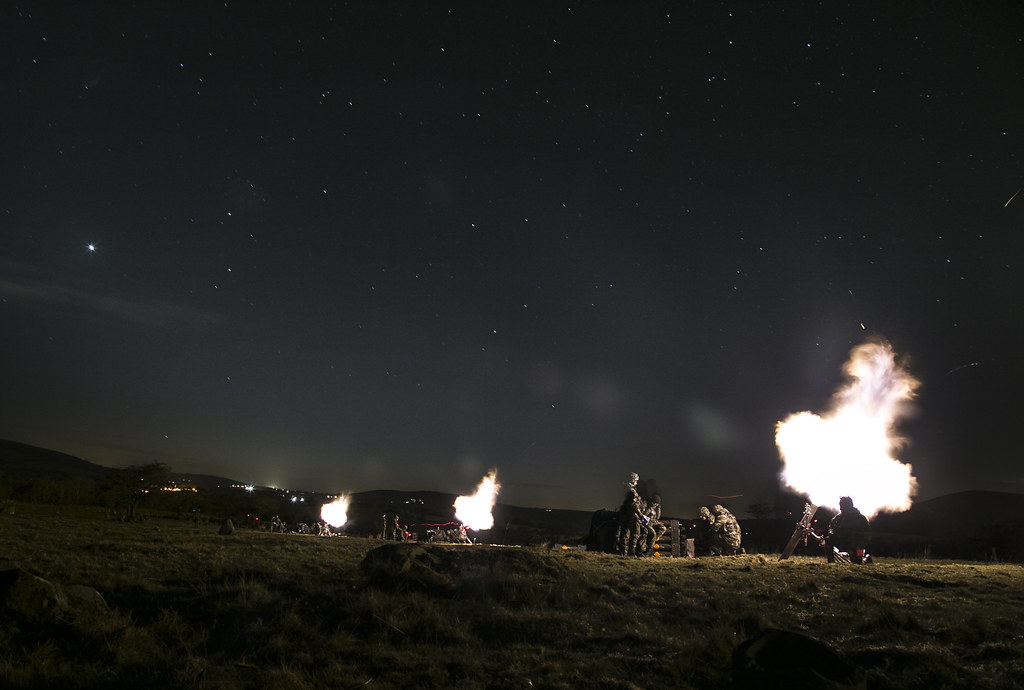
Past event: the 4 September 2026 veterans’ range day. Original invitation retained in the archive.
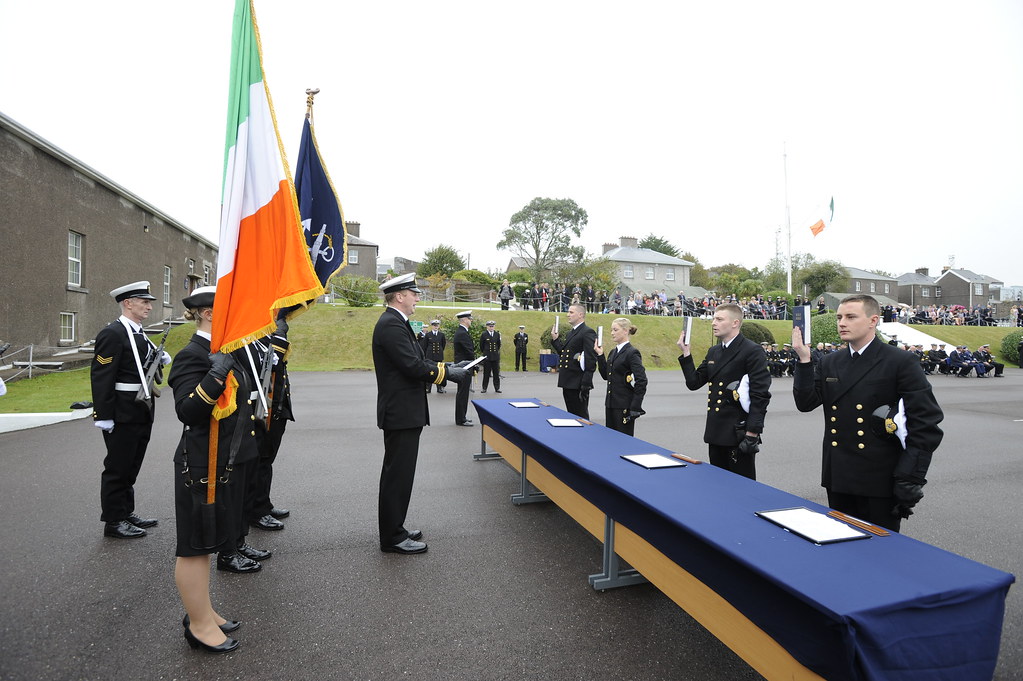
A measured look at the latest public-service pay developments, what they may mean for serving personnel and how future pension calculations could benefit.
Veterans came together in Balbriggan for a day built around safe range practice, old stories, good humour and the fellowship that remains after service.
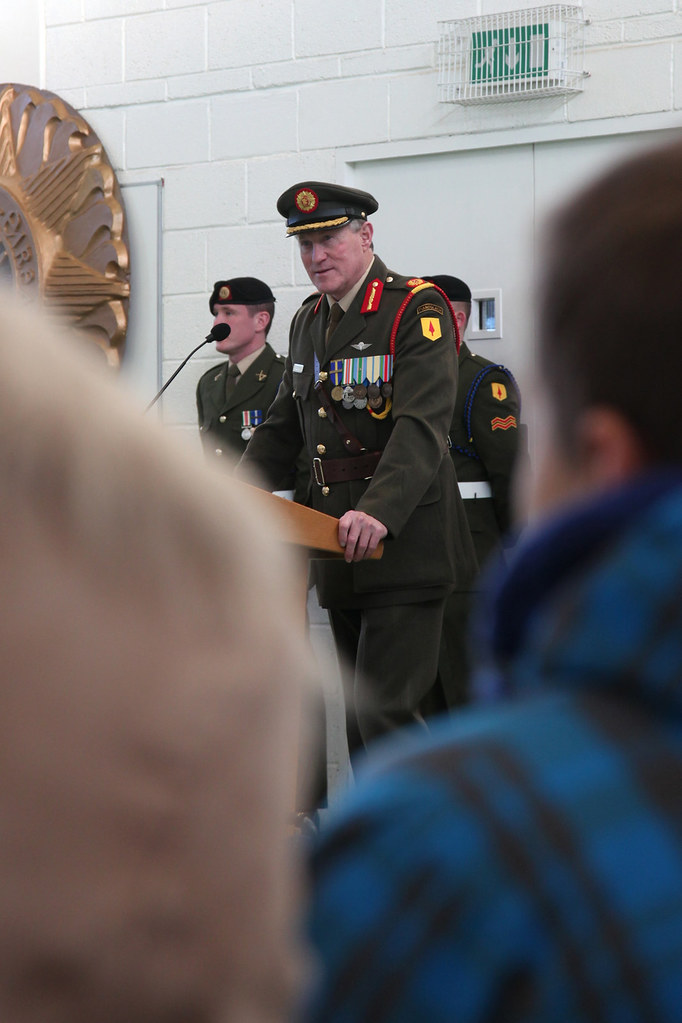
Recruitment from abroad cannot be allowed to disguise the long-running failures that have driven trained Irish personnel out of the Defence Forces.
A ceremonial moment raised a much larger question about military authority, political optics and the respect afforded to those in uniform.
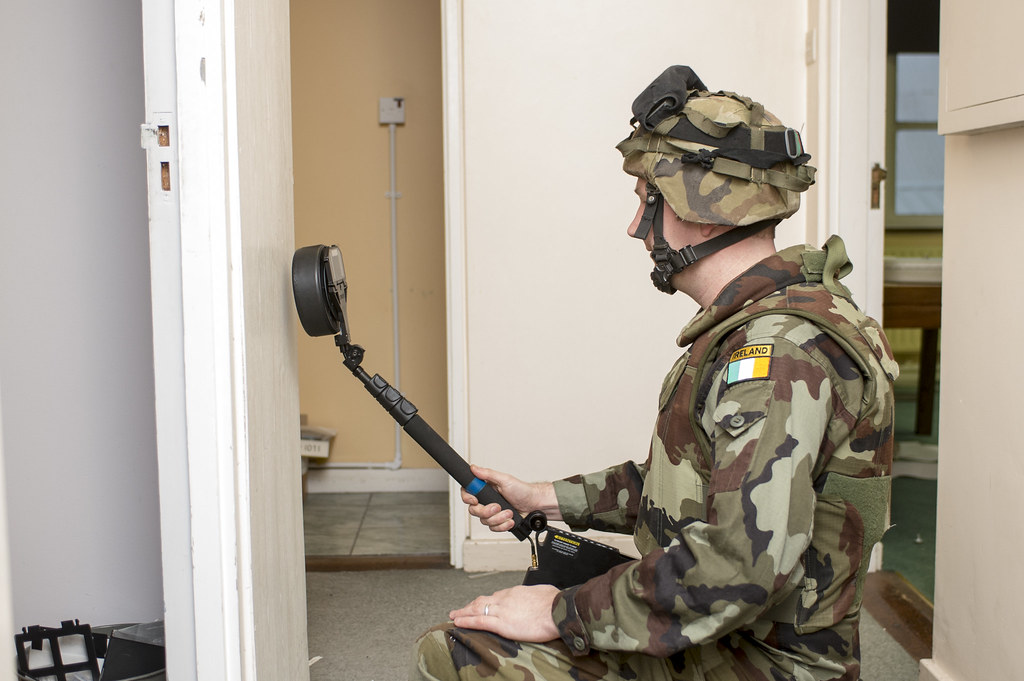
A direct examination of the capability gaps Ireland can no longer afford to treat as somebody else’s problem.
Behind the political argument are real missions, real personnel and serious consequences for Ireland’s future overseas commitments.
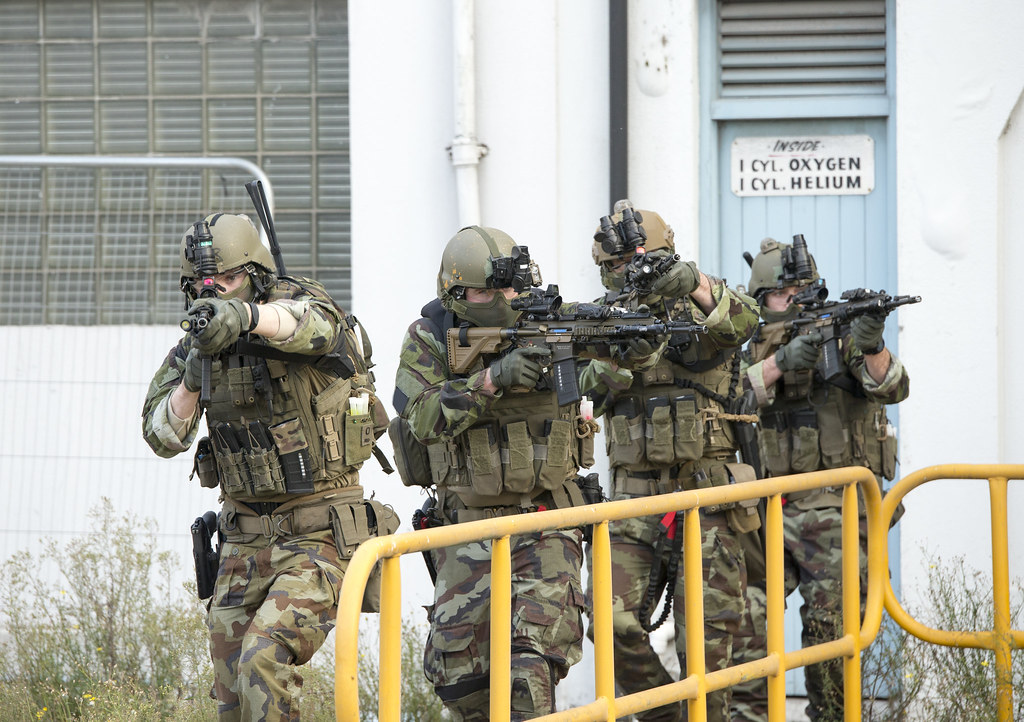
A veteran-led analysis of sovereignty, neutrality and the uncomfortable security choices now facing the State.
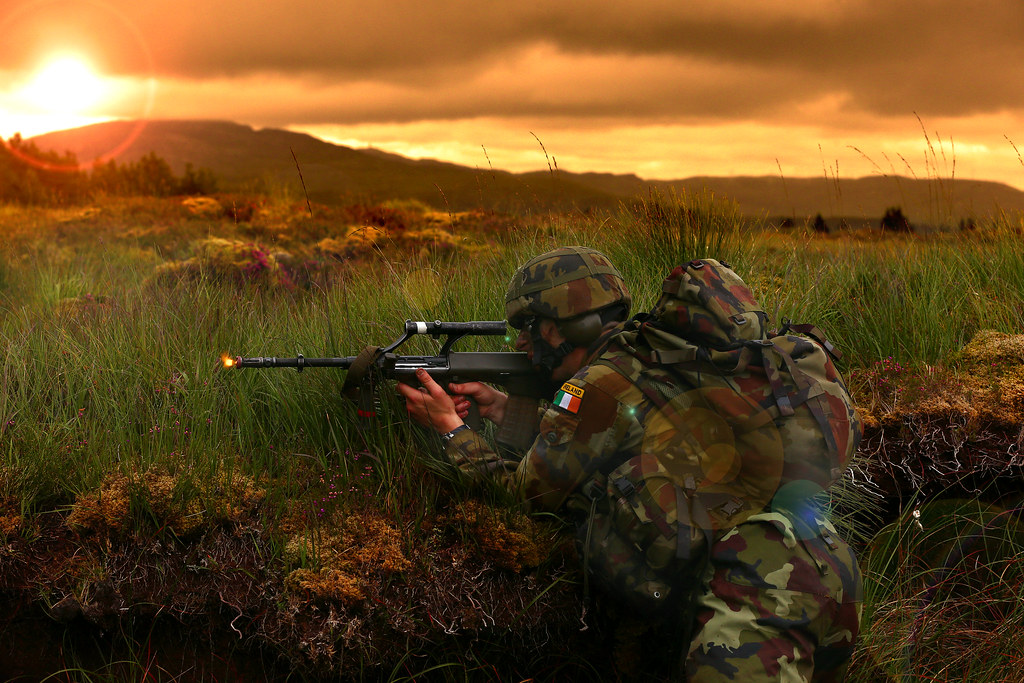
A human account of the ordinary duties and dependable people whose service rarely made headlines but always mattered.
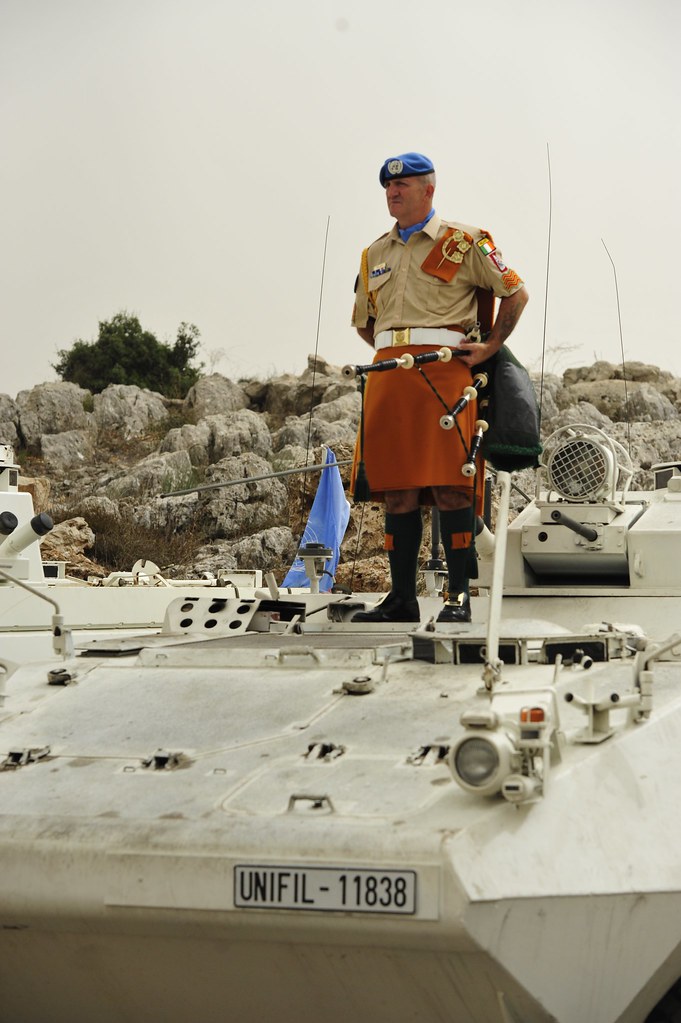
Why pension abatement continues to feel less like a neutral rule and more like a penalty imposed on veterans who return to public service.
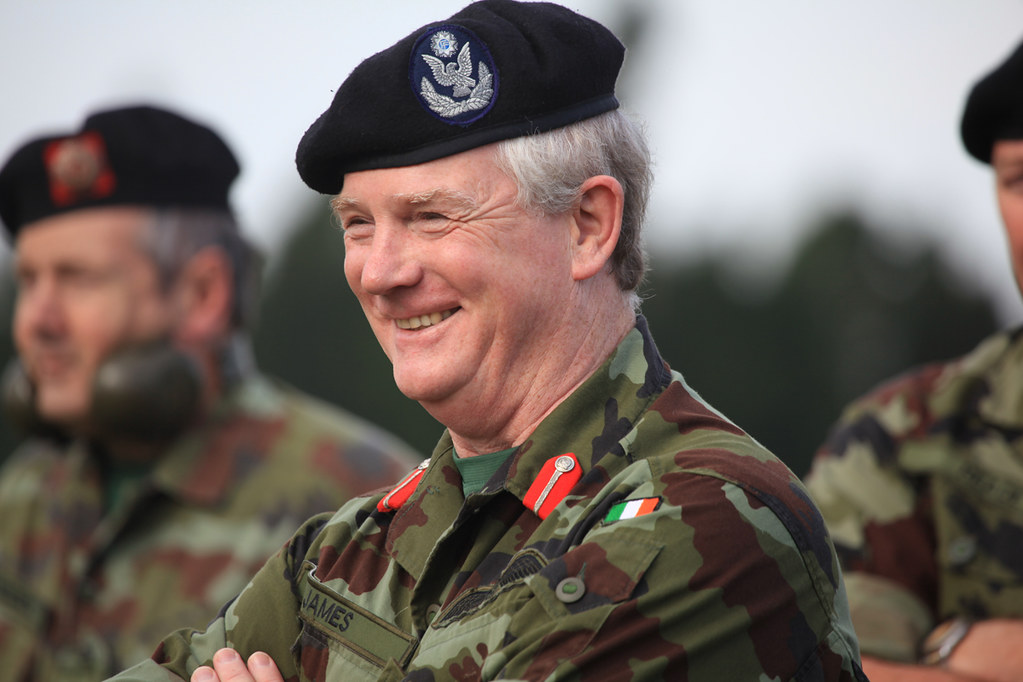
An examination of the influence, language and quiet authority that shape defence decisions long before the public hears about them.
Official phrases are tested against the practical reality facing Irish personnel and the future of Ireland’s long association with UNIFIL.
The arguments around pay and representation reveal the pressure building across an organisation already stretched far beyond comfort.
International comparison throws Ireland’s limited recognition of its veteran population into sharp relief.