There comes a point when a nation has to ask itself a simple question: what kind of country are we becoming?
For years, Irish Defence Forces Veterans News has warned that Ireland was drifting towards a defence crisis. We were told everything was under control and that reviews, commissions and implementation plans would fix the problems. Yet here we are.
Instead of rebuilding the Irish Defence Forces from within, politicians are now openly discussing recruiting military personnel from overseas to fill the ranks. That should stop every citizen in this country in their tracks.
This is not because people from other countries cannot become loyal members of Irish society. Many have done exactly that and made outstanding contributions. The real question is how Ireland allowed its Defence Forces to deteriorate to the point where Government believes the answer lies abroad rather than at home.
It was not the soldiers who failed the State. The State failed its soldiers.
For over a decade, governments have known why experienced personnel were leaving: poor pay, poor accommodation, relentless operational demands, promotion bottlenecks, families struggling with living costs and a pension system that changed the equation for younger personnel.
For many newer entrants, there is little certainty that a long military career will deliver the retirement security their predecessors received. So they make a rational decision. They leave. Government then asks why retention is collapsing.
IDFVN has also highlighted how pension coordination and abatement can discourage experienced retired personnel from returning to public service roles where their expertise is needed. Ireland says it needs instructors, engineers, technicians, logisticians and senior NCOs, yet can make it financially unattractive for those people to serve the State again.
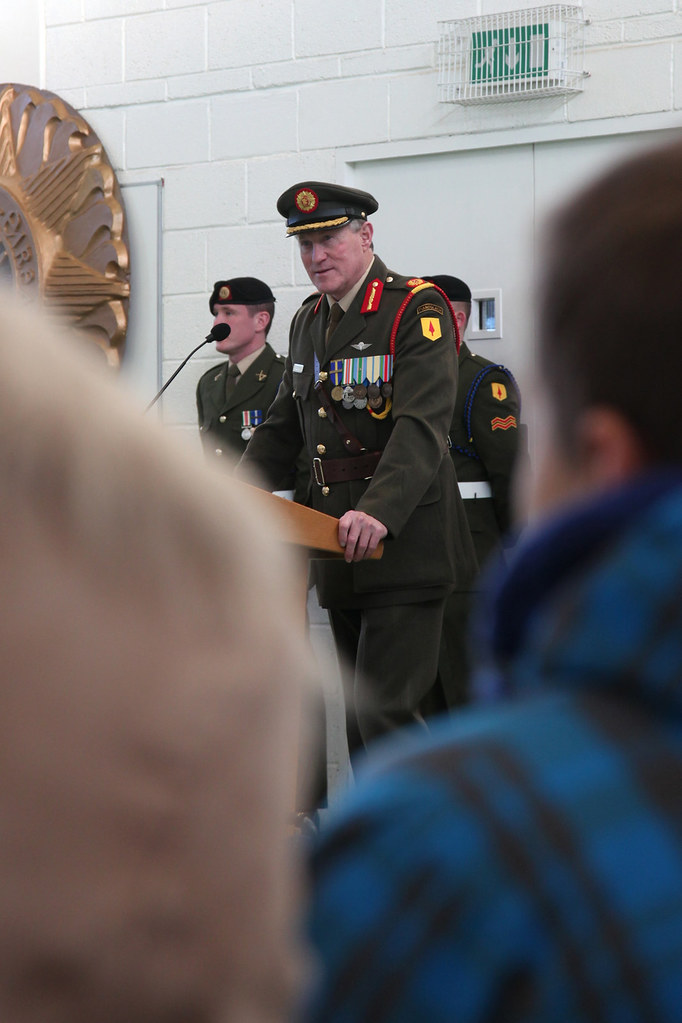
The decline has also been measured in symbolism. Naval Service officer cadets recently accepted their commissions from a senior civil servant rather than from the President of Ireland, the Supreme Commander of the Defence Forces. Whatever the administrative explanation, many serving members and veterans viewed that moment with genuine disappointment.
Military traditions matter. They remind the nation that those accepting a commission do so on behalf of the Irish people, not simply another Government department.
The Defence Forces are not simply another public sector employer. They are entrusted with defending the sovereignty of the State. That demands careful planning, rigorous vetting, clear legal safeguards and public trust.
The issue is not nationality. The issue is priorities. Why is Government discussing recruiting abroad before fixing the reasons Irish personnel are leaving? Why has it made a full military career less attractive rather than more attractive? Why do reviews identify the same problems while numbers continue to fall?
For years, IDFVN has written about the permanent bureaucracy that shapes defence policy while those who have worn the uniform struggle to have their voices heard. Ministers change. Governments change. Civil servants remain. Yet the pattern rarely changes: reports, recommendations, delay, declining capability and another new solution.
There is another solution: pay personnel properly; restore confidence in a long-term military career; review pensions that undermine retention; address coordination and abatement; invest in accommodation, equipment and family supports; respect military traditions; and listen to serving personnel before they leave.
Ireland does not lack brave men and women willing to serve. It lacks a political system that has consistently treated defence as a national priority.
Recruiting overseas may fill vacancies for a time, but it will not repair the broken relationship between the State and those who have devoted their lives to defending it. Until that relationship is repaired, Ireland has a crisis of political leadership, long-term planning and national priorities.